


















The connectivity reality of public sector field work
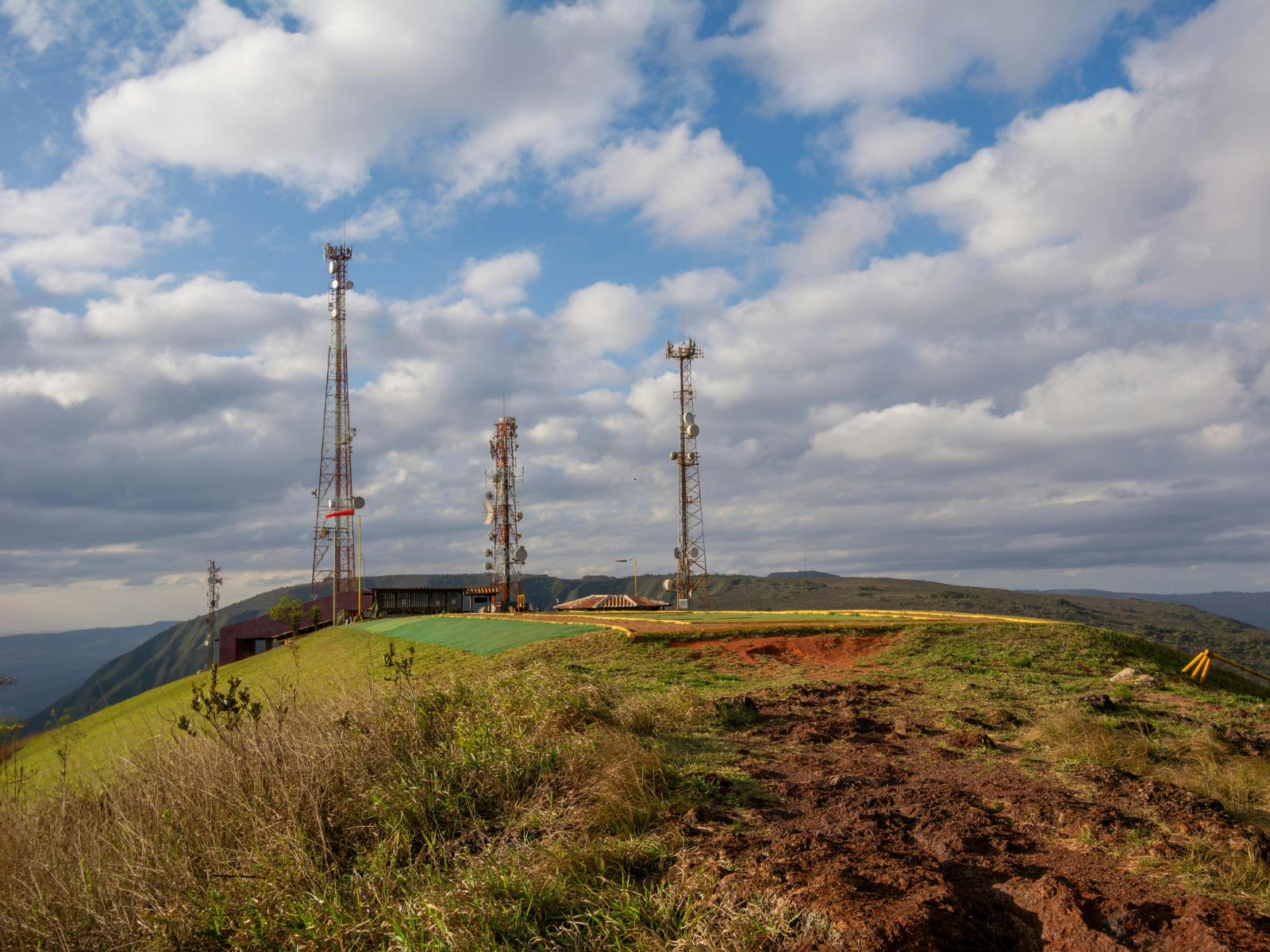
Public sector field inspectors across Africa operate in environments where mobile connectivity is intermittent, expensive, or absent. A seed inspector in rural Somalia, a phytosanitary officer at a remote border post, a multiplier verification visit in a low-coverage province. The reality is the same. The inspector arrives at the field, collects data, and may or may not have a usable connection during the visit.
The wrong design assumption is that connectivity will be there when the inspector needs it. Platforms built on this assumption fail in predictable ways. Forms that cannot load offline strand the inspector. Submissions that require an immediate round trip lose data when the network drops mid-request. Photo uploads that block on success leave the inspector unable to continue. Each of these failures is recoverable, but the cumulative effect is that the platform stops being trusted, and the inspector reverts to paper.
Offline-first as a design discipline
Offline-first design is the alternative. The platform is built on the assumption that the inspector has no connectivity, and online operation is treated as an opportunistic enhancement. Forms load from a service worker cache. Submissions are written to the device IndexedDB the moment the inspector taps Save. Background synchronisation runs whenever connectivity is detected, with retries, exponential backoff, and dead-letter handling.
The discipline behind this pattern is straightforward to describe and unforgiving in execution. The service worker has to cache the right assets, with the right invalidation rules. The IndexedDB schema has to support partial submissions, attached photos, GPS coordinates, signatures, and the entry timestamp that anchors conflict resolution. The sync engine has to handle the case where text uploads succeed but photos fail, and the case where the same record is submitted from two devices in the same window. None of this is novel, and all of it has to work.
The sync status contract
The deepest design decision in offline-first systems is the contract you make with the user about sync status. An inspector who believes their data is submitted, when it is in fact still queued in IndexedDB, has been let down by the platform. The cure is explicit, per-record sync status surfaced at all times. Pending means the record is in IndexedDB, not yet uploaded. Syncing means upload is in progress. Confirmed means the server has acknowledged receipt of every part of the record, including data, photos, GPS, and signature. The confirmed state is the only state that justifies the inspector closing the session.
Partial failures need their own surface. If text uploads but photos fail, the record stays in syncing with a retryable photo queue and a clear "photos pending" indicator. If the server returns an error during sync, the record surfaces a "sync failed, retry" badge with the underlying error code. The inspector always knows where they stand, and never has to guess.
What we are building for SARIS Somalia
PANEOTECH is delivering this discipline on the platform commissioned by FAO Somalia for the Somali Agricultural Regulatory and Inspection Service. Field inspectors operate the system as a Progressive Web Application, with the same codebase packaged for the Google Play Store through Trusted Web Activity. The Trusted Web Activity wrapper provides a native Android experience, app store discoverability, push notifications, and home screen presence, without a parallel native codebase.
Inspection forms cache offline. Submissions queue in IndexedDB the moment the inspector saves. Conflict resolution uses entry timestamps captured on the device, not on upload, so two simultaneous submissions from two devices both reach the server as distinct records, with the later entry timestamp marked active and the earlier one preserved in the audit log. There is no overwrite and no silent merge. SARIS Quality Assurance reviews any conflict through the standard multi-level approval workflow.
The institutional benefit
For SARIS, the offline-first design means inspectors can operate anywhere in Somalia, with full confidence in the platform, and never lose a record to a dropped connection. The platform respects the inspector's time and trust, which is the only way it earns adoption in field operations.