

















Insights

Field notes from the continent.

Analysis, tutorials, and stories from PANEOTECH engineers, designers, and consultants on the realities of building digital systems for African markets.

Filtered insights

9 results

Tutorials

Human-in-the-Loop AI for Public Safety: Why Critical Alerts Should Never Auto-Diffuse

Full automation looks like the natural endpoint of an AI alerting system. It is not. Public-safety alerting requires institutional accountability that no algorithm can carry, and the architecture has to enforce the human validation that protects the chain of accountability.

Read More

Field Notes

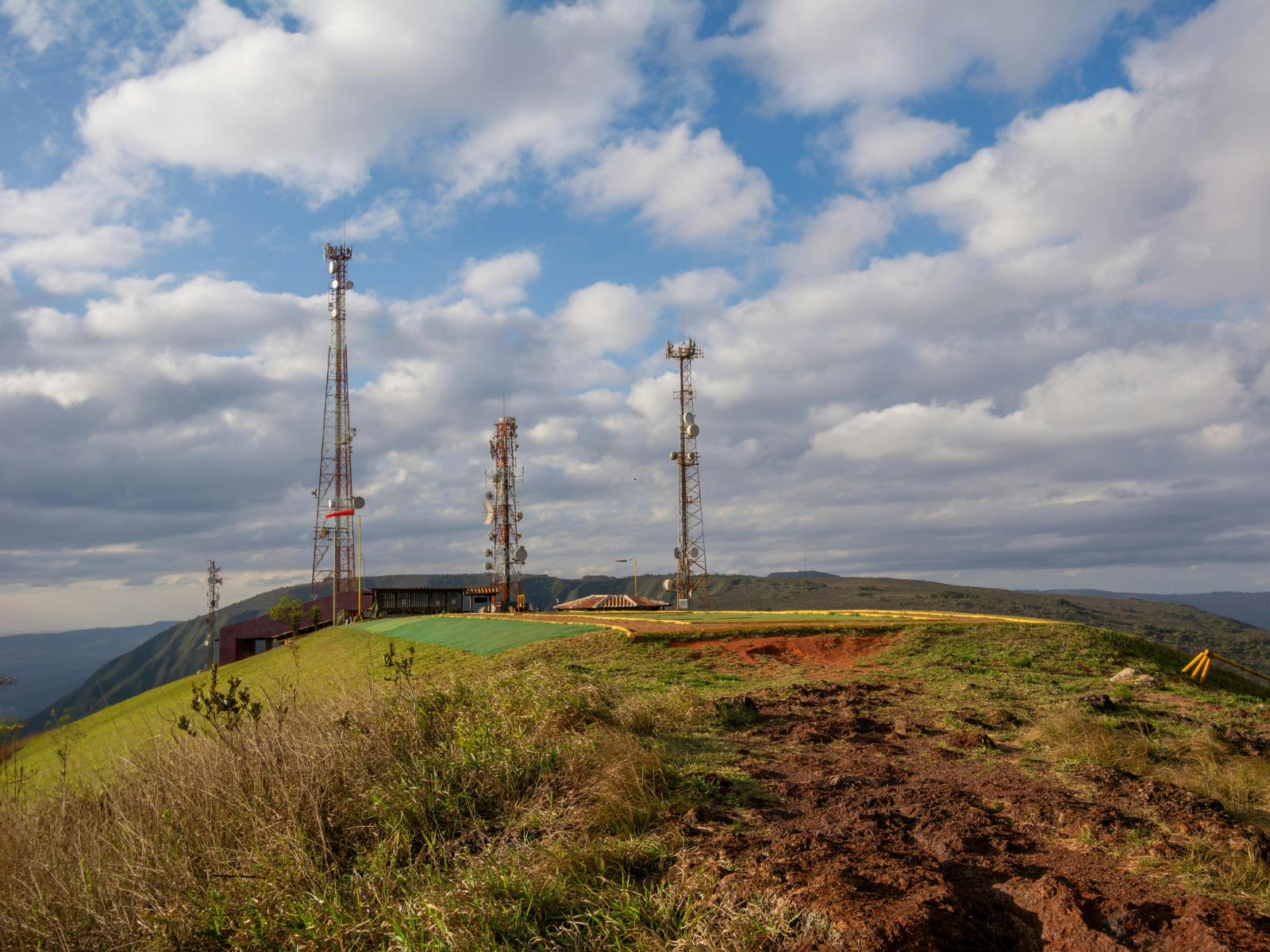
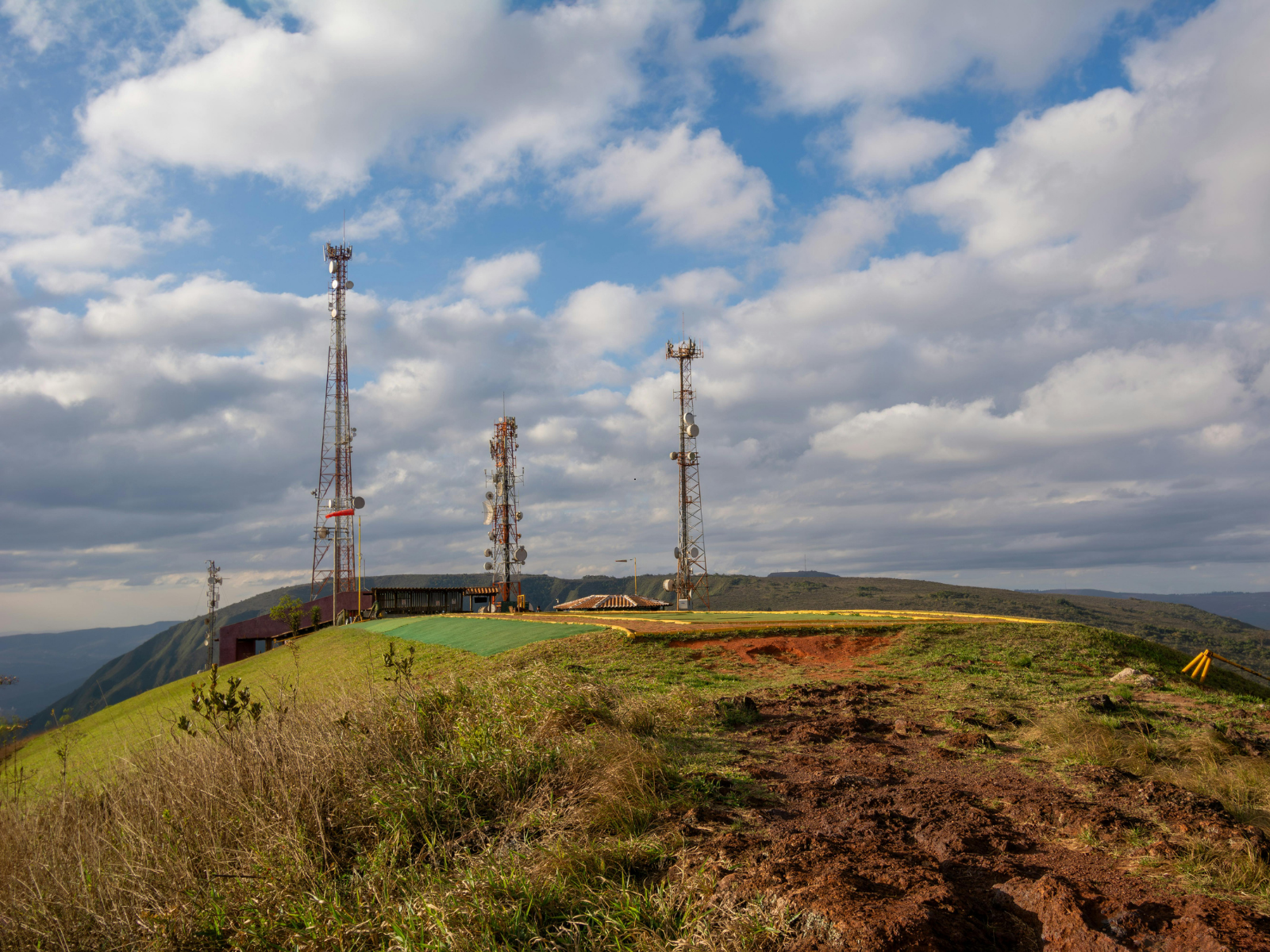
Engineering Around Data Scarcity: Building a National Early Warning System on Global Satellite Sources

A national early warning system in a data-scarce context faces a structural choice: wait for national infrastructure to mature, or build on the global scientific sources that already exist. The choice that protects lives is the second one, and the engineering discipline that makes it work is the discipline that defines the platform.

Read More
Case Studies

Hybrid AI Plus Hydrological Modelling for Early Warning: HydroMet AI in the Senegal River Valley

Deterministic hydrological models and deep learning models are usually treated as alternatives. The hybrid architecture deployed on HydroMet AI treats them as complements, and delivers a measured twelve percent precision gain over the deterministic model alone.

Read More
Tutorials

Lost Source Code, Live Platform: How to Modernise a Public Sector Application When You Cannot Just Refactor

Public sector platforms often outlive the contracts that built them, and the source code outlives nothing. The discipline of reconstructing business logic and rescuing the data is a craft of its own.

Read More
Field Notes

Audio-First Design: When Text Excludes the Users You Are Funded to Reach

Written content silently filters out the producers most underserved by formal advisory. Multilingual audio is not an accessibility upgrade. It is the only way the platform reaches the population it was funded to serve.

Read More
Case Studies

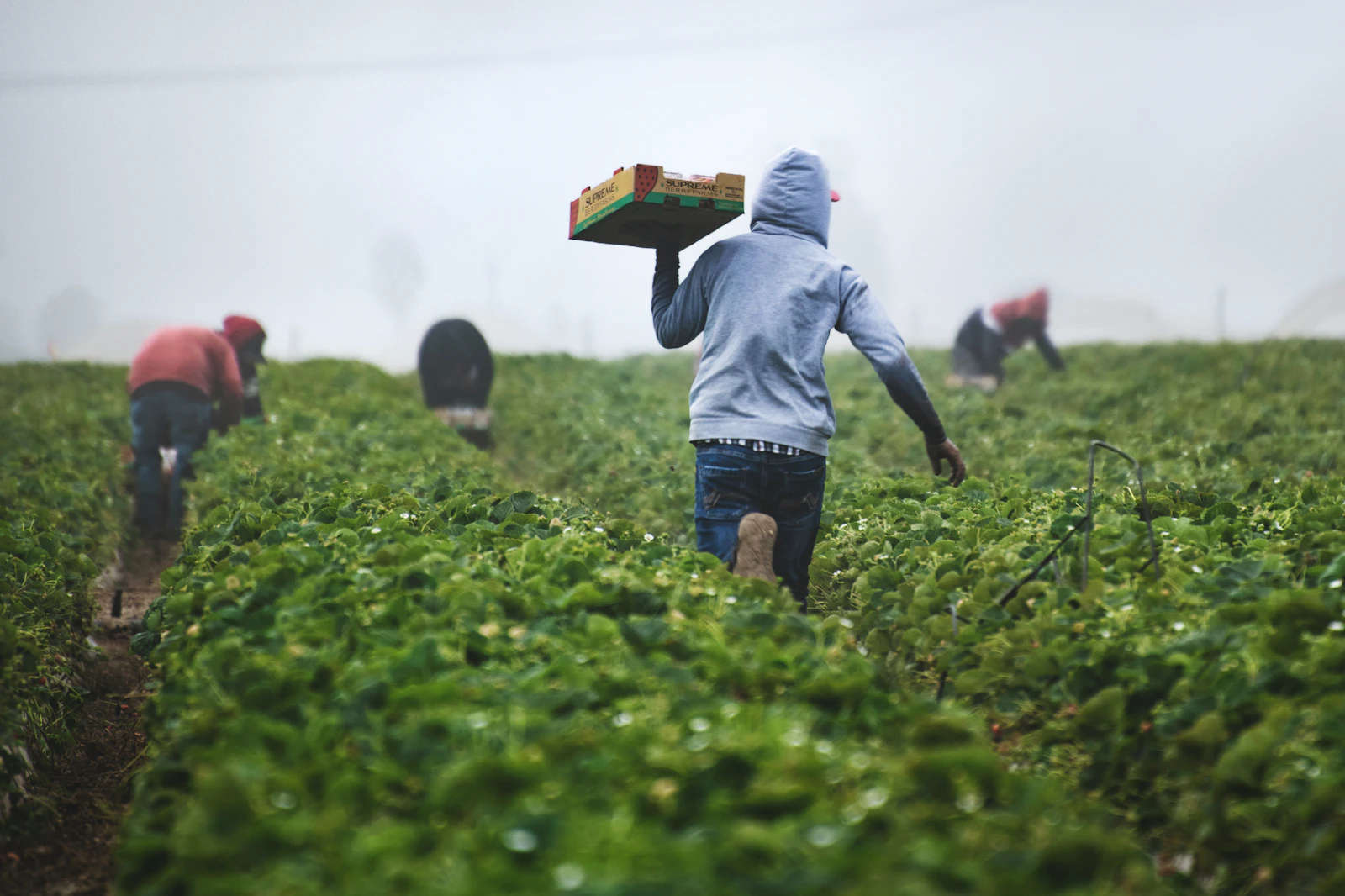
Offline-First by Default: Why Rural Agricultural Advisory Cannot Be a Web Application

Web-only platforms built for urban connectivity quietly exclude the producers they exist to serve. Treating offline as the primary mode, not a fallback, is the only design that earns adoption in rural Africa.

Read More
Field Notes

Anonymous Citizen Reporting at Continental Scale: Capturing Civic Space Pressures During a Health Emergency

A pandemic produces secondary effects that the official data does not capture. Anonymous citizen reporting fills that gap, with engineering discipline that protects contributors and editorial discipline that preserves credibility.

Read More
Tutorials

Multi-Source Data Aggregation for Public Health Platforms: Reconciling Africa CDC, WHO, Johns Hopkins, and Our World in Data

Four credible sources, four different numbers for the same indicator on the same day. The discipline of multi-source aggregation is not picking the winner. It is publishing the harmonised series with the methodological caveats preserved, so users understand what they are looking at.

Read More
Case Studies

Building a Continental Health Information Hub Under Crisis Conditions: COVID Watch Africa and the Architecture of Pandemic Response

A pandemic does not wait for the procurement cycle. The architecture of an emergency information platform has to balance speed of delivery with the institutional credibility that decision-makers will rely on for years afterwards.

Read More