


















From our work
UNICEF
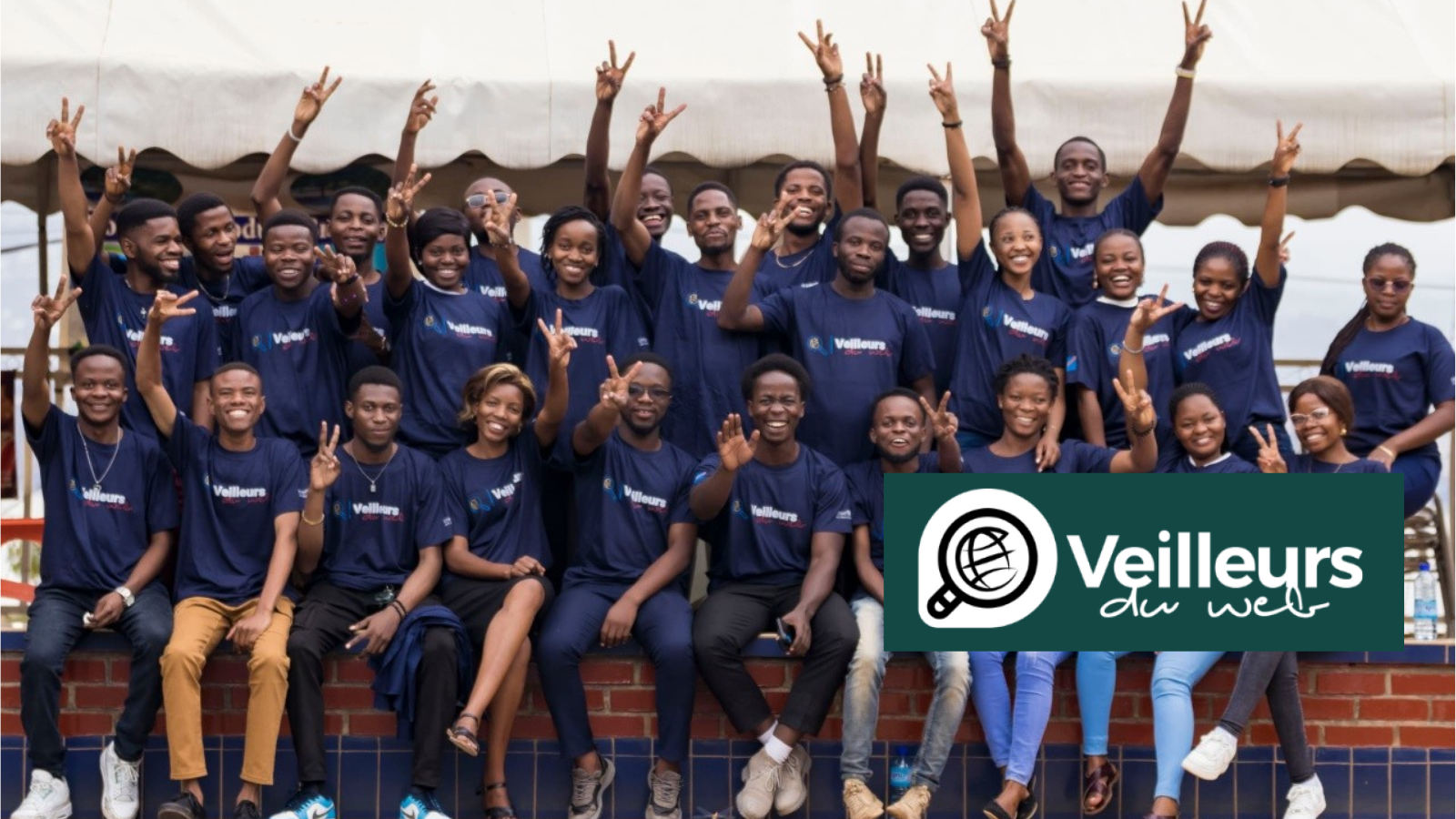
Veilleurs du Web, Youth-Led Digital Fact-Checking and Anti-Misinformation Platform for the Democratic Republic of the Congo
Democratic Republic of the Congo
The single-tier collapse
Volunteer-driven content platforms have a structural design problem that single-purpose websites and single-tenant applications do not. The platform has at least three substantively different audiences with at least three substantively different needs. The public audience consumes the content the volunteers produce, with no relationship to the programme beyond the consumption itself. The volunteers themselves have a relationship to the programme that the public audience does not, and they need a workspace that surfaces their personal contribution and lets them participate in the editorial workflow. The programme team has a governance relationship to both the volunteers and the content, and they need administrative tooling that lets them validate, configure, and operate the platform institutionally.
The default reflex when designing this kind of platform is to deploy a generic content management system and add features as the substantive distinctions surface. The deployment usually fails, not because the content management system is technically inadequate, but because the three audiences end up sharing one interface that compromises all of them. The public surface gets cluttered with administrative affordances. The volunteer workspace gets exposed in ways the volunteers were not asked to consent to. The administrative backend leaks into the public surface in inconsistent and confusing ways. The single-tier collapse degrades the platform until the programme team works around it rather than through it, and the institutional case for the digital infrastructure quietly disappears.
What three-tier architecture actually requires
The architectural answer is three distinct surfaces sharing a single backbone, with the surfaces engineered for their respective audiences and the backbone consolidating the content, the identity, and the governance into a single institutional environment. The public surface is engineered for the audience the volunteers reach, with the affordances of a published content platform: discoverability, accessibility, performance, search, and the visual language that signals editorial quality. The member workspace is engineered for the volunteers themselves, with the affordances of an authenticated workspace: personal dashboards, contribution forms, status tracking, profile management, and the editorial visibility into work in progress. The administrative backend is engineered for the programme team, with the affordances of a governance environment: configuration, user management, content moderation, workflow administration, and analytics.
The discipline that makes the architecture work is editorial governance per surface alongside the engineering discipline of clean separation. The public surface needs editorial governance over what gets published, when, and how it appears. The member workspace needs editorial governance over the volunteer onboarding, the contribution review, and the personal data each volunteer shares. The administrative backend needs governance over the user roles, the workflow rules, and the configurable taxonomies the programme operates against. The editorial governance is what turns the architecture from a technical artefact into an institutional asset.
What we built for the Veilleurs du Web programme
PANEOTECH structured the Veilleurs du Web platform around three distinct surfaces sharing a Drupal-based backbone. The public surface combines the home page, news section, toolbox, events calendar, fact-checking section, and Who We Are section into the published content layer the audience consumes. The member workspace gives the five hundred trained Veilleurs personal dashboards, action submission forms, profile pages, and status-tracked My Articles areas where their proposed verifications surface alongside their editorial state. The administrative backend gives the UNICEF DRC programme team configuration controls for provinces, themes, activity types, and article validation, account management for contributor and administrator and Veilleur user types, dashboard management, and content management for every public-facing surface.
The three surfaces share a single identity layer so a Veilleur logs in once and accesses both their workspace and the public surface with their identity preserved. They share a single content backbone so a published verification appears identically on the public surface to all audiences regardless of authentication state. They share a single governance backbone so the programme team operates one administrative environment rather than three. The engineering discipline is what lets the editorial discipline operate at the institutional scale the programme has reached.
The architectural lesson
For volunteer-driven content platforms the choice is not between single-tier simplicity and multi-tier complexity. It is between three surfaces engineered for their respective audiences and one surface that compromises all of them. Engineer the three surfaces, share the backbone, invest in editorial governance per surface, and the platform serves volunteers, audiences, and programme governance the way each of them actually needs.
We build the multi-surface platforms that volunteer programmes actually need.
Three-tier architecture, editorial governance, and the engineering thinking that volunteer-driven platforms require.