











A national programme for sustainable smallholder farming.
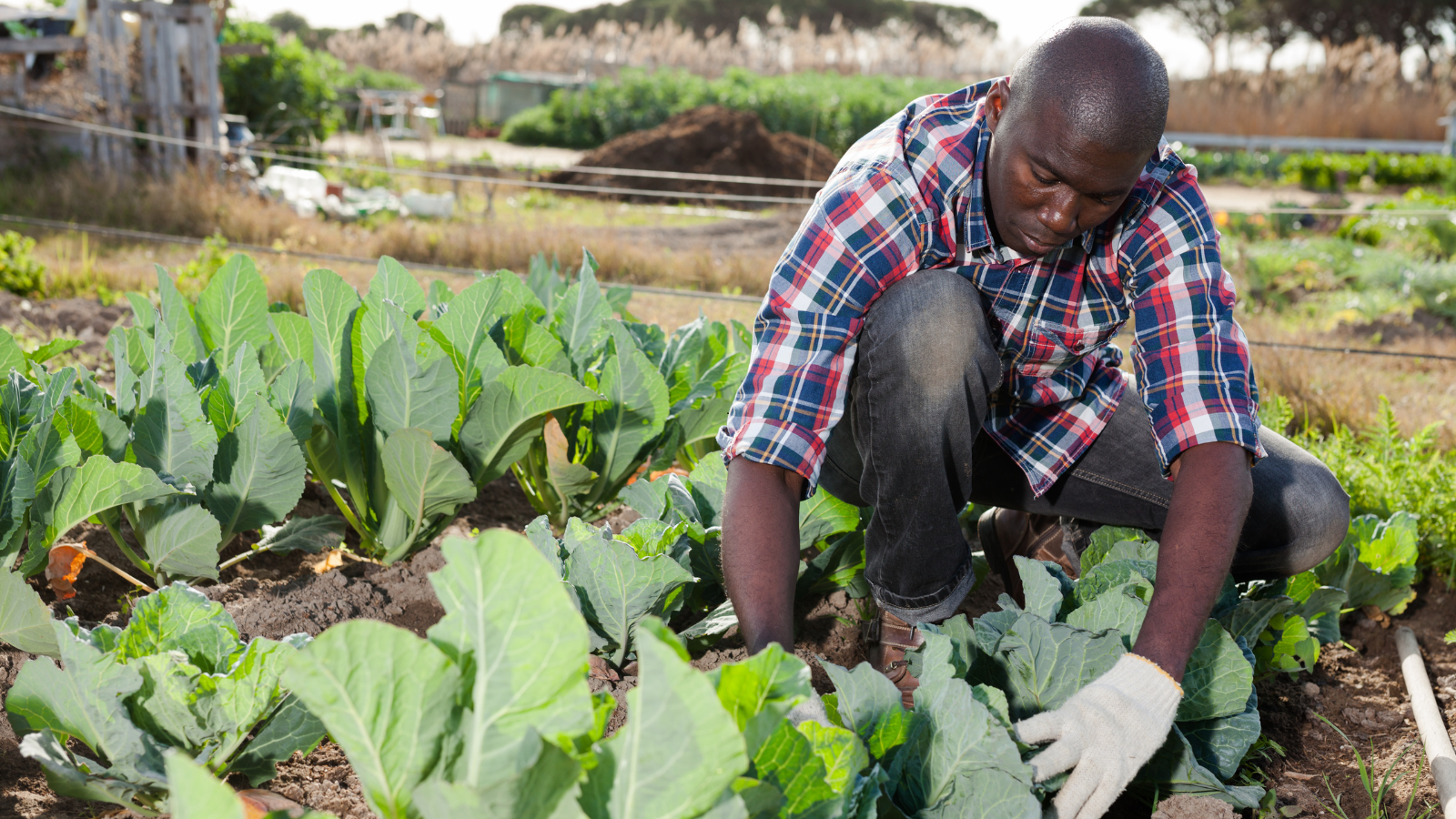
The Sustainable Intensification of Smallholder Farming Systems in Zambia programme is a 7.5 year initiative implemented by FAO Zambia in collaboration with the European Union, the Ministry of Agriculture, and the International Maize and Wheat Improvement Centre. The programme scales up sustainable food production, builds resilience of food systems, and promotes climate change mitigation among smallholder farmers across all ten provinces of the country.
At the centre of the programme sits the SIFAZ E-Business Directory, a national repository linking smallholder farmers to agricultural e-extension services, private sector input and output markets, and climate smart early warning advisories. To make the Directory genuinely usable across the connectivity and literacy spectrum of rural Zambia, FAO commissioned a multi channel stakeholder engagement and communication layer.
The challenge. Reach smallholder farmers, agribusinesses, extension officers, and public officials with timely advisories and two way information flows, regardless of whether the user is on a feature phone in a low signal district or on a smartphone with intermittent data, while keeping FAO and the Ministry of Agriculture in full control of content, governance, and analytics.
Four production channels, one unified engine.
PANEOTECH designed, built, and deployed the Integrated Electronic Stakeholder Engagement and Communication Platform that powers the SIFAZ E-Business Directory. The system delivers four production grade communication channels, coordinated from one administrative console, and integrates directly with the Directory and its companion Management Information Systems.
USSD Service
National short code coordinated with ZICTA, operating across MTN, Airtel, and Zamtel. Interactive menus into the Directory's early warning, agribusiness, and e-extension modules, with live integration to the Food Security Pack MIS and the Food Security Monitoring System.
SMS Gateway
One way and two way messaging at national scale, multiple sender IDs, vouchers and tokens, automated retries, consumption monitoring, and consolidated delivery reporting with carrier identification across all three operators.
WhatsApp Business API
Verified business number with rich media advisories, opt-in management and consent registry, approved message templates, two way support flows, and engagement analytics on delivery, reads, and response rates.
Email Gateway
Branded bulletins, newsletters, training packs, registration confirmations, and system notifications. Routing logic separates transactional sends from campaign sends, with full delivery, open, click, and bounce reporting.
The four channels are coordinated by an administrative console with role based access control, audit logs, content templates, segmentation tools, and unified analytics that consolidates events from all underlying providers into a single dashboard for FAO and government teams.
A unified communication façade.
The platform exposes a single REST API gateway. External systems including the SIFAZ E-Business Directory, the Food Security Pack MIS, the Food Security Monitoring System, ZIAMIS, and partner platforms integrate once and gain access to all four channels through one Bearer token and one endpoint contract.
Single API gateway
One unified developer interface routes requests to the correct channel, with provider specific logic abstracted behind the façade. Partner systems do not manage four vendor integrations, they manage one.
Queue and worker pattern
Bulk broadcasts of up to 50,000 recipients per operation are queued and processed by background workers, with retries, dead letter handling, and idempotency keys to ensure messages are never duplicated and never silently lost.
Real time delivery reporting
Webhook ingestion captures delivery reports from mobile network operators and messaging providers, normalises them into a consistent status model with carrier identification, and surfaces them in the dashboard for FAO and Ministry teams.
Governance and security
Role based access control governs who can send what to whom. Audit logs capture every action for compliance. Stakeholder consent and opt-in are tracked in a dedicated registry. Data governance is aligned to FAO information security guidance.
Built for the operational reality of rural Zambia.
The platform was rolled out with structured capacity transfer to FAO and government staff. Institutional teams now administer the system, manage stakeholder segments, operate campaigns, and read analytics independently, on a stack documented for long term maintainability and aligned with the procurement, reporting, and audit requirements of donor funded programmes.
Partners and institutional ownership.
The Integrated Stakeholder Engagement Platform was delivered for FAO Zambia under the SIFAZ programme, in coordination with the European Union, the Ministry of Agriculture, and the International Maize and Wheat Improvement Centre. The platform is live, operated by FAO and government staff, and integrates with the SIFAZ E-Business Directory, the Food Security Pack MIS, and the Food Security Monitoring System.