


















The connectivity reality of rural smallholder agriculture
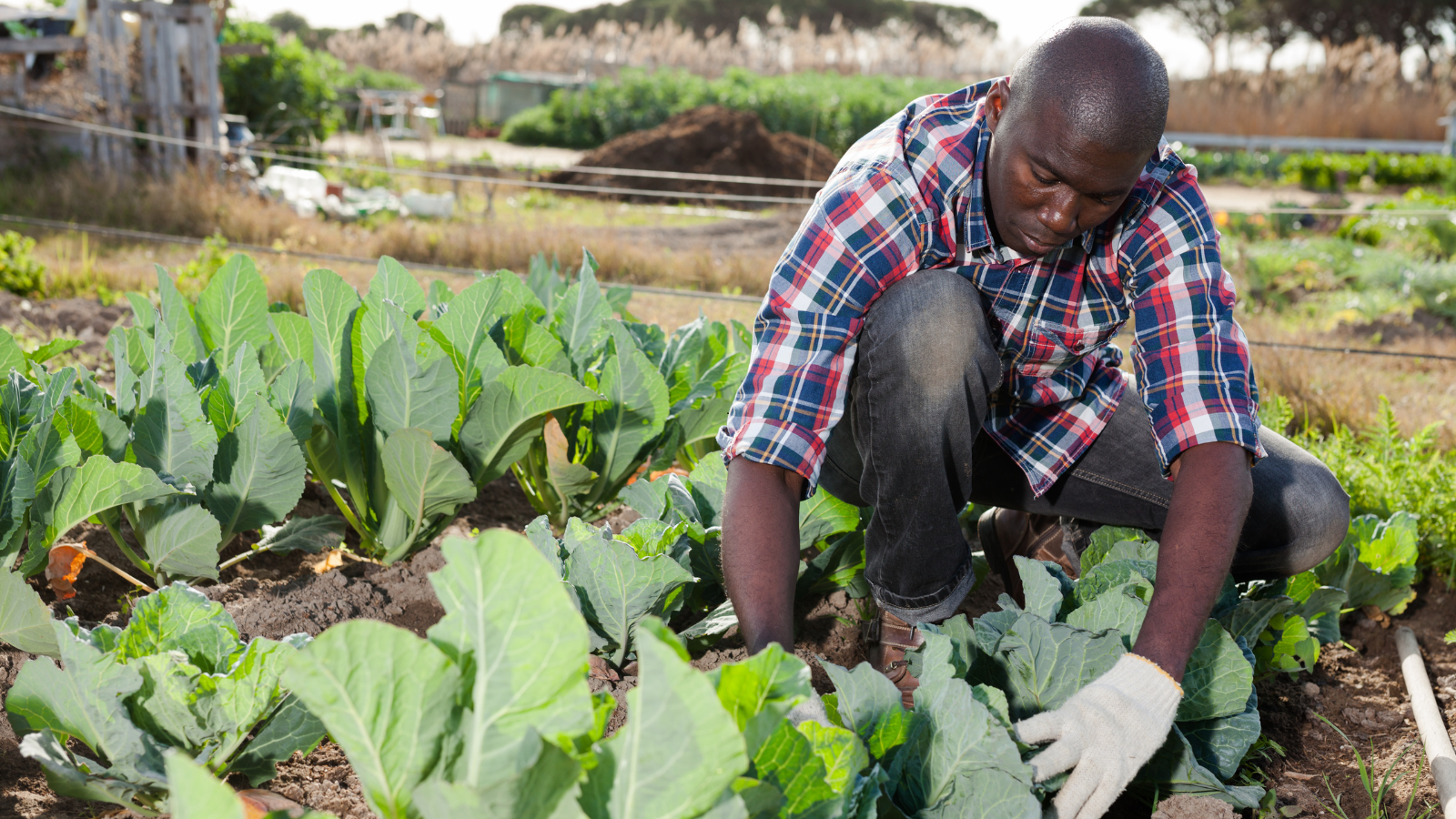
Smallholder agriculture in Zambia operates across a wide connectivity spectrum. Feature phones in low signal areas, mid range smartphones with intermittent data, and full smartphone users with WhatsApp coexist within the same district, often within the same cooperative. Any digital advisory system that targets only one of these segments excludes a meaningful share of the population it exists to serve.
Why the smartphone first reflex fails
The reflex in development tech procurement is to default to a smartphone application. The reasoning is intuitive. Smartphone penetration is rising, WhatsApp is everywhere, and modern interfaces look credible to institutional reviewers.
The problem is that smartphone first design quietly drops the smallholder farmers who matter most for food security outcomes, the ones operating in the lowest connectivity and lowest device tier conditions. They are not the early adopters who decide which app to install next. They are the farmers a national agricultural programme is funded to serve.
Multi channel by design
The harder, correct answer is multi channel by design. A single administrative console that fans out to USSD, SMS, WhatsApp, and email from one stakeholder registry, with each channel chosen automatically based on user profile and message type.
- USSD for first time engagement, registration, surveys, and on demand information pull through a national short code on every operator.
- SMS for advisories, vouchers, tokens, and grievance flows that need to reach feature phones reliably.
- WhatsApp for rich media training content and two way conversations with users who have opted in.
- Email for formal bulletins, newsletters, and training materials destined for institutional users.
What PANEOTECH delivered for FAO Zambia
PANEOTECH designed and deployed exactly this for FAO Zambia under the Sustainable Intensification of Smallholder Farming Systems programme, in coordination with the European Union, the Ministry of Agriculture, and the International Maize and Wheat Improvement Centre. The Integrated Stakeholder Engagement Platform connects the SIFAZ E-Business Directory to smallholder farmers, agribusinesses, extension officers, and public officials through one unified engine, with mobile network operator integrations across MTN, Airtel, and Zamtel, and ZICTA short code coordination.
The Directory pushes advisories out, and farmers pull information back through the same channels. Programme staff operate the system from a single administrative console, with consolidated analytics across all four channels and full audit trails for institutional reporting.
The architectural lesson
The lesson generalises across African deployment contexts. Channel diversity is not a feature, it is the foundation. Treat it as a first class design constraint, not an add on, and the platform reaches the people the programme was funded to reach.
We design and deliver national scale stakeholder engagement platforms.
For ministries, multilateral programmes, and donor funded initiatives across Africa.